Health Canada Urges Canadians to Test Homes for Radon During Radon Action Month
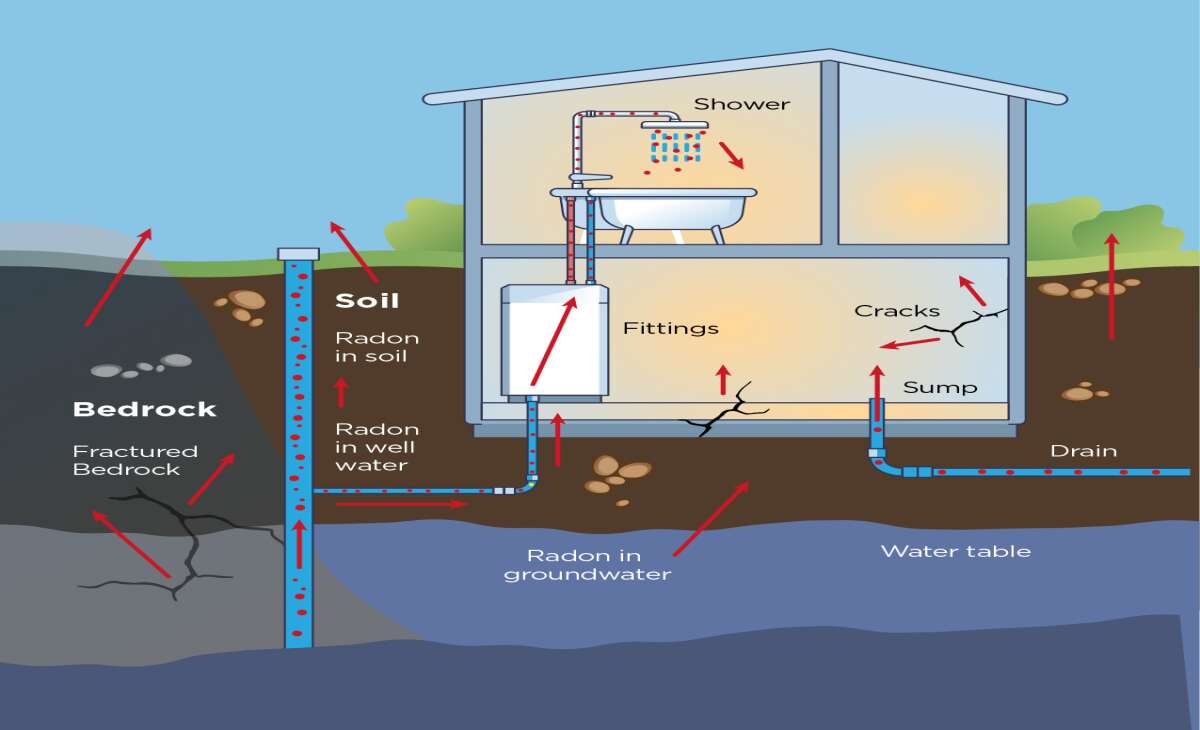
Health Canada is urging Canadians to test their homes for radon during Radon Action Month, stressing the importance of using approved testing devices to ensure accurate results and make informed decisions about health and safety.
Radon is a naturally occurring radioactive gas released when uranium breaks down in soil and rock. It is invisible, odourless and tasteless. When it enters enclosed spaces such as homes, it can build up to dangerous levels. Long-term exposure to elevated radon is the second-leading cause of lung cancer in Canada after smoking.
Health Canada has issued several warnings and recalls involving electronic radon detectors sold online after tests found that some devices provided inaccurate readings.
Incorrect measurements can either create a false sense of security or cause unnecessary concern by showing radon levels that are lower or higher than they actually are. The biggest risk is that people may unknowingly remain exposed to high radon levels in their homes without realizing that action is needed.
To help consumers choose reliable devices, the Canadian National Radon Proficiency Program (C-NRPP) maintains a list of electronic radon monitors that have passed performance testing. Health Canada says long-term testing remains the best way to determine a home's average radon level.
The department continues to monitor radon detection products sold in Canada and says it will take compliance and enforcement action when products are found to pose a potential risk to human health or safety.
What Canadians should do:
Test homes for radon: Winter is the best time to conduct testing because homes are more tightly sealed and radon levels are often higher.
Use a long-term test: Health Canada recommends an approved test lasting at least three months to get the most accurate assessment of average radon levels.
Choose approved electronic monitors: Buy only devices that have passed performance testing by C-NRPP, Canada's radon certification program recognized by Health Canada.
Stop using recalled detectors: Anyone who has purchased a recalled electronic radon detector should stop using it and dispose of it according to municipal electronic waste requirements.
Report product incidents: Consumers can report incidents involving consumer products through Health Canada's Consumer Product Incident Report Form.