SOGI Removed From B.C. Schools: MLA Mandeep Dhaliwal calls it a win for parents, BCTF president blames ‘misinformation’
One of the most polarizing debates in British Columbia’s education system over the past decade has reached a flashpoint after the province’s new Conservative government on Wednesday ordered the immediate removal of sexual orientation and gender identity (SOGI) materials from provincial websites and public schools.
Fulfilling a key election pledge, Premier Lorne Doerkson’s government announced that the Ministry of Education and Child Care has been directed to work with school districts to strip existing SOGI resources from schools. While the government frames the decision as a victory for parental rights and a return to core academics, the B.C. Teachers’ Federation (BCTF) and opposition critics have condemned the directive as "backward" and a direct threat to student safety.
Doerkson stated that SOGI had become a source of division in the province, pulling attention away from the primary purpose of schools. He emphasized that parents deserve the right to decide what their children are taught.
Surrey North Conservative MLA Mandeep Dhaliwal, a longtime vocal opponent of the program, welcomed his government’s decision, describing it as the culmination of years of community advocacy that prompted his entry into provincial politics.
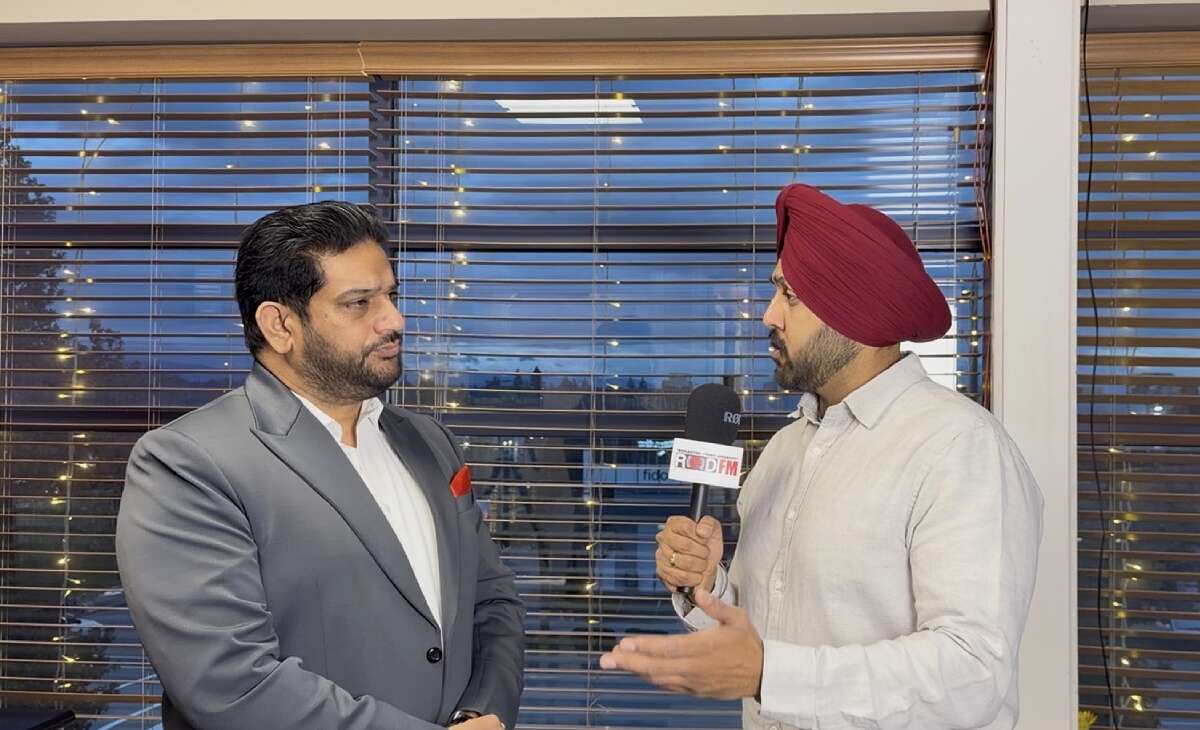
"In 2023, before being elected as an MLA, I—along with other members of the community—started advocating against SOGI 123 resources," Dhaliwal told RED FM.
"We wanted parents to know what schools were teaching their children, as the content in those books was concerning to us. Following this, I ran in the 2024 election and defeated the then-education minister. In 2025, I introduced a Parental Transparency and Age-Appropriate Education bill in the B.C. legislature. In the meantime, David Eby called a snap election. Lorne Doerkson kicked off his campaign in my riding and promised to remove SOGI. Our party has fulfilled an election promise, and I am thankful to Premier Doerkson."
When asked how the directive will be carried out on the ground, Dhaliwal said the province will now consult with local school boards to implement the removal while ensuring anti-bullying measures remain in place across B.C. schools.
Speaking with RED FM, BCTF President Carole Gordon criticized the government for making the removal of SOGI 123 its top priority in education while public schools face pressing challenges such as underfunding, a shortage of support staff, and classroom violence.
"We're disappointed that this is the place that government has decided to start with in education," Gordon said. "The removal of these resources is going to be detrimental to the schools and to the kids who are in them, as they've been proven to reduce bullying for all kids. And so if you're going to remove these resources, which we're not in favour of, what are you going to replace them with?"
Gordon also noted that the government made the announcement without consulting the teachers' federation. While she acknowledged that the previous NDP government had already ended funding for the ARC Foundation—which housed SOGI 123—and recognized that the acronym had become surrounded by myths, she stressed that the previous administration never moved to ban inclusive materials.
Introduced in 2016 under the former B.C. Liberal government, SOGI 123 has drawn criticism from some parents—particularly in communities like Surrey—who worry the materials encourage children to change their gender or conflict with religious values. However, education experts and teachers point out that B.C. does not have a mandatory "SOGI curriculum"; rather, SOGI 123 consists of optional reference materials designed to align schools with the BC Human Rights Code.
Addressing the concerns raised by Surrey parents directly, Gordon attributed much of the anxiety to outside misinformation.
"For the last decade or so, we've seen a lot of misinformation coming from the States, from other jurisdictions," Gordon explained. "There's stories out there that aren't based in British Columbia, and they've managed to have a world of their own."
She urged parents with questions to speak directly with their child's teacher or principal. "These are optional materials. Nobody is telling children who they are. They're helping kids understand that there's a diverse world out there, including diverse families, and that we need to be accepting and respectful in our school spaces so that everybody feels welcome."
Gordon also rejected claims from Education Minister Lynne Block that removing SOGI is necessary to refocus classrooms on reading, writing, and math.
"No, because it's not curriculum," Gordon said when asked if SOGI took instructional time away from core subjects. "We've never not been doing reading, writing, and math. I think we can do both. We can do our reading, writing, and math and create safe spaces for everyone within our schools. It's not an either-or."
Premier Doerkson recently warned that teachers who continue using SOGI resources in classrooms will face "pushback" not only from parents, but from him personally. That statement has left educators questioning whether the directive applies strictly to materials bearing the "SOGI 123" label or extends to any library books and lessons depicting diverse families.
Gordon maintained that regardless of the directive, educators remain legally bound by the BC Human Rights Code, which protects against discrimination based on sexual orientation and gender identity.
"We're going to ensure that we're not discriminating against kids and families by erasing their identity," Gordon said. "We all have a sexual orientation, and we all have a gender identity, and we all express our gender in different ways. We can't eliminate it for some and include it for others."
Citing a 2024 study showing that inclusive resources reduce bullying across the entire student body, Gordon called on the Premier and Education Minister to meet with teachers, school districts, and parents to discuss genuine investments in public education rather than taking resources away.
How local school districts will implement the government's directive on the ground—and whether the friction between teachers and the ministry will escalate into formal classroom disputes—remains to be seen in the coming days.